
The Illusion of Beating the Casino
The belief that one can consistently beat the casino is deeply rooted in myths and misconceptions. Many players are drawn to the allure of winning large sums of money, often led astray by stories of miraculous wins or strategies that claim to guarantee success. However, the reality is that casinos operate on a mathematical foundation designed to favor them in the long term. This structure, known as the house edge, ensures that while players can experience short-term victories, the odds are overwhelmingly stacked against them over time. For those interested in exploring options, they can check the offer that highlights the various games available, but it’s important to remember that the house edge varies from game to game, serving as a constant reminder that, in the long run, casinos are designed to profit.
The notion that luck alone determines the outcome of games is another common belief that players hold. While luck does play a role in gambling, skill and strategy significantly impact certain games, such as poker or blackjack, where player decisions can influence results. However, no strategy can completely nullify the house edge prevalent in most casino games. Understanding the basic mechanics behind these games can enhance a player’s enjoyment and possibly improve their chances, but the reality of consistently winning is often overstated. As a result, many players find themselves caught in a cycle of hope and disappointment, believing that a big win is just around the corner when, in fact, the odds remain firmly against them.
Moreover, the psychological aspects of gambling can create an illusion of control. Gamblers may believe they can foresee patterns or gain an advantage through superstitions and rituals. This kind of thinking can lead to an unhealthy approach to gambling, potentially causing significant losses and fostering addictive behaviors. Recognizing these illusions is essential for players who want to engage with casinos responsibly and understand the real nature of their odds. By shedding light on these misconceptions, players can develop a healthier mindset toward gaming, one that appreciates the entertainment value without succumbing to the delusion of guaranteed success.
Common Myths Surrounding Casino Games
A prevalent myth is that some machines or tables are “hot” or “cold,” suggesting that players can predict outcomes based on recent wins or losses. This concept is particularly widespread regarding slot machines; however, it is important to note that each spin is independent of the last, governed by random number generator technology. Casinos are highly regulated, and their games are designed to ensure fair play. This means that no prior result can influence future outcomes, rendering the concept of “hot” and “cold” streaks meaningless in the context of modern gaming technology.
Another common misconception is the idea that players can use systems or strategies to beat the games. Many examples, such as the Martingale betting system, claim to provide a foolproof way to win. However, these systems often fail in practice because they do not take into account the inherent house edge, and players can encounter limits that prevent them from continuing their strategy indefinitely. Understanding statistics and probability is crucial as they reveal that results often deviate from expected patterns, making such strategies flawed. Players may find themselves on a rollercoaster of ups and downs, but the reality is that no system can change the fundamental nature of the games.
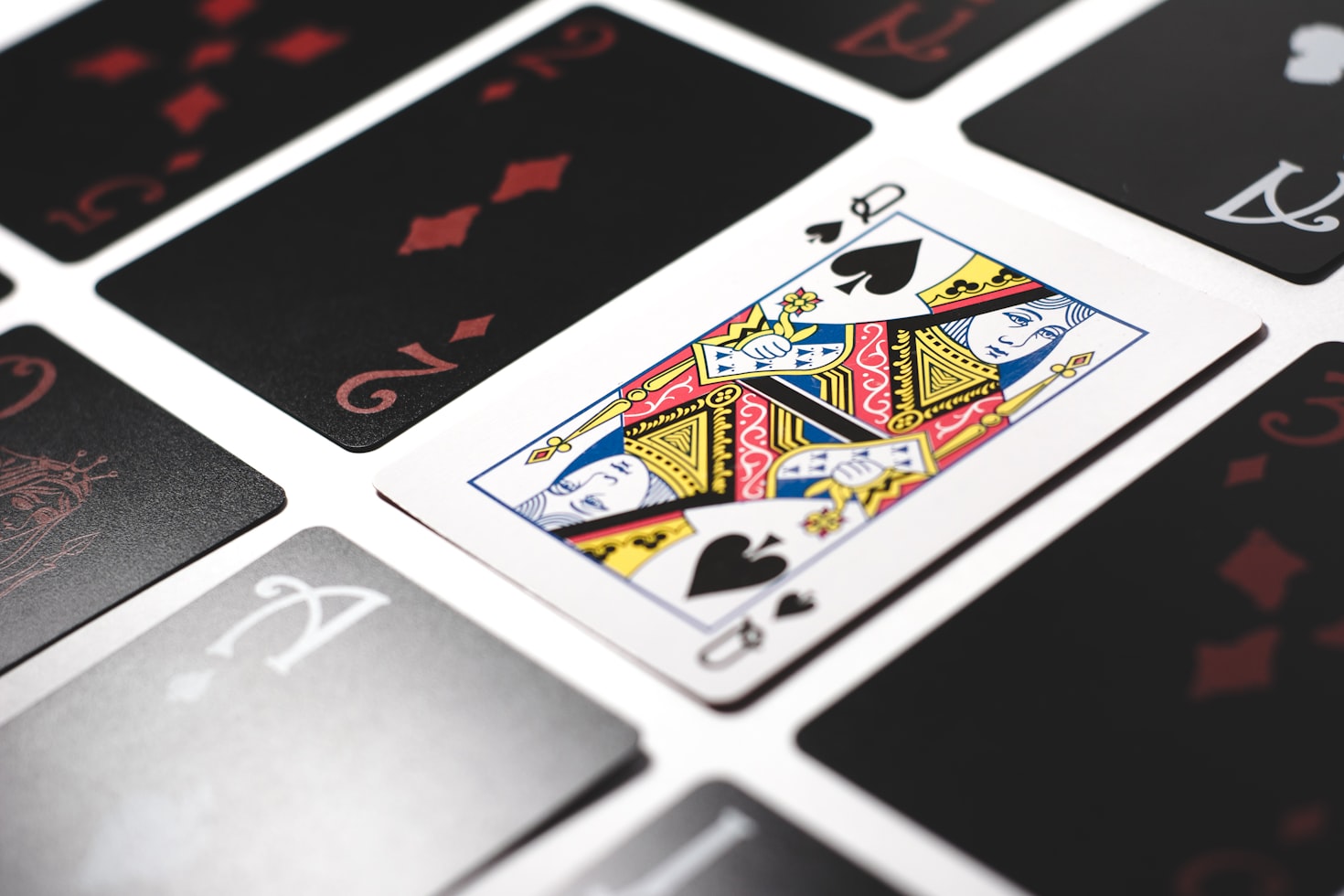
A third myth is that casinos alter their games to ensure players lose more. While it’s true that casinos do optimize their games for profitability, this does not mean they manipulate outcomes. The rules and odds of each game are transparent and predefined. Players can choose games with better odds to improve their chances, but it ultimately remains a game of chance. Awareness of how each game works and their respective odds helps players make informed choices while playing. By demystifying these games, players can approach them with a clearer understanding and realistic expectations.
The Role of Strategy in Casino Games
While the house edge is a harsh reality, certain casino games do allow players to employ strategies that can enhance their odds. Games like blackjack and poker are often cited as examples where skill and decision-making can have a considerable impact on outcomes. In blackjack, for instance, players can reduce the casino’s advantage by following basic strategy and knowing when to hit, stand, double down, or split. This knowledge can significantly improve the player’s odds when executed correctly, allowing for more informed and strategic gameplay that minimizes losses over time.
In poker, players compete against one another rather than the house, which adds layers of strategy and psychological warfare. Mastering concepts such as bluffing, reading opponents, and calculating pot odds can lead to long-term success. While skilled players can increase their chances of winning, it’s vital to remember that even the best players face losses due to the unpredictable nature of the game. The dynamic between luck and skill makes poker a unique challenge, where understanding opponents can be just as important as understanding the cards.
Ultimately, the importance of understanding variance and bankroll management cannot be overstated. Players must be prepared for swings in results, recognizing that not every session will be profitable. Establishing a clear strategy for managing funds and expectations can create a more enjoyable experience and mitigate potential losses. This approach fosters responsible gambling and encourages players to engage with games in an informed manner. By focusing on strategy and management rather than solely on winning, players can cultivate a more sustainable and enjoyable gaming experience.
The Psychological Factors at Play
The psychology of gambling plays a crucial role in how individuals engage with casinos. Many players experience what is known as the “gambler’s fallacy,” where they believe that previous outcomes influence future ones. For example, if a slot machine hasn’t paid out recently, a player may irrationally assume it is due for a win. This belief can lead to more significant risks and increased losses as players chase their perceived “luck.” Understanding this psychological pitfall is essential for anyone looking to gamble responsibly, as it can help mitigate impulsive decision-making driven by emotion rather than logic.

Another psychological factor is the excitement and thrill that comes with gambling, which can lead to impulsive decisions. The atmosphere of casinos is designed to maximize engagement, with lights, sounds, and rewards creating an exhilarating environment. This sensory overload can cloud judgment and lead to reckless gambling behavior. Recognizing these triggers can help players maintain control and make better decisions, ultimately benefiting their overall gaming experience. By being aware of how the environment influences their behavior, players can create strategies to remain grounded and focused.
Moreover, the emotional highs and lows experienced while gambling can create a rollercoaster effect that impacts a player’s judgment. Winning can lead to overconfidence, while losing can result in an emotional response that drives poor decision-making. Cultivating a mindset of discipline and awareness of one’s emotional state is vital for maintaining control. Players who can manage their emotions are more likely to approach gambling with a clear mind and a focus on long-term enjoyment rather than chasing quick wins. This balanced mindset can significantly improve the overall experience and help in making informed decisions during gameplay.
Responsible Gaming and Casino Resources
Understanding the realities of casino gaming is essential, but so is knowing the resources available for responsible gambling. Many casinos and online platforms provide information about responsible gaming practices, such as setting limits on deposits, bets, and losses. Players need to take advantage of these tools to help maintain control over their gambling habits. Recognizing when to take breaks or seek help is crucial for a healthy gaming experience. By utilizing these resources, players can engage with casinos in a manner that prioritizes their wellbeing and enjoyment.
Additionally, organizations and helplines are available to assist those who may struggle with gambling addiction. These resources provide support, education, and counseling for individuals and their families affected by gambling-related issues. Raising awareness about these resources is essential to fostering a culture of responsible gaming where players can enjoy their experience without risking their wellbeing. Support from these organizations can help individuals navigate the challenges of gambling while promoting healthier habits and attitudes.
Finally, being informed about the nature of the games and the environment in which one is playing creates a more enriching experience. Knowledge empowers players to make choices that enhance their enjoyment and minimize the risks associated with gambling. By engaging with the casino world from a well-informed perspective, players can appreciate the thrills and challenges while keeping their gaming experiences enjoyable and responsible. This informed approach not only enhances the gaming journey but also cultivates a deeper understanding of the intricate dynamics at play in the world of gambling.