
The Allure of Winning: Understanding the Thrill
The allure of winning in casino gambling is deeply rooted in the psychology of risk and reward. Players often experience an adrenaline rush, a natural response triggered by the uncertainty surrounding the outcome of games. This excitement is heightened by the prospect of a significant win, making the entire gambling experience thrilling and, for many, addictive. The anticipation of a win can lead to a dopamine release in the brain, resulting in feelings of joy and euphoria when the outcome is favorable, keeping players interested in the best nz online casino options available, ultimately ensuring they come back for more.
The casino environment is meticulously designed to amplify this thrill. Bright lights, captivating sounds, and enticing aromas create a sensory overload that keeps players engaged and immersed. Complimentary drinks and comfortable seating further enhance the experience, encouraging patrons to stay longer and gamble more. This carefully crafted atmosphere not only caters to the desire for entertainment but also fuels the emotional responses tied to winning, making the idea of success within reach and perpetuating the cycle of gambling.
However, the thrill of winning can come with a psychological cost. Many gamblers struggle to recognize the thin line between excitement and compulsion. The euphoric highs of winning can overshadow the potential downsides of losing, leading players to overlook the financial implications of their actions. This often results in a pattern known as “chasing losses,” where players return to the tables in hopes of recouping previous losses, highlighting the complex nature of human behavior in the face of temptation and risk.
The Role of Cognitive Biases in Gambling Behavior
Cognitive biases play a significant role in shaping gambling behavior, influencing how individuals perceive chance and luck. One prevalent cognitive distortion is the “gambler’s fallacy,” where players mistakenly believe that past outcomes can influence future results. For instance, after a streak of losses, a player might assume they are “due” for a win, leading to increased bets based on this misguided confidence. Such biases can cloud judgment, prompting decisions that are emotionally driven rather than grounded in statistical reality.
Confirmation bias is another common cognitive distortion among gamblers. Players often recall their wins more vividly than their losses, which skews their perception of their overall success. This selective memory can reinforce the belief that winning is more common than it actually is, encouraging continued gambling despite evidence suggesting otherwise. This cognitive dissonance can create a cycle of denial, making it challenging for individuals to acknowledge the reality of their gambling habits, which can have severe financial and emotional consequences.
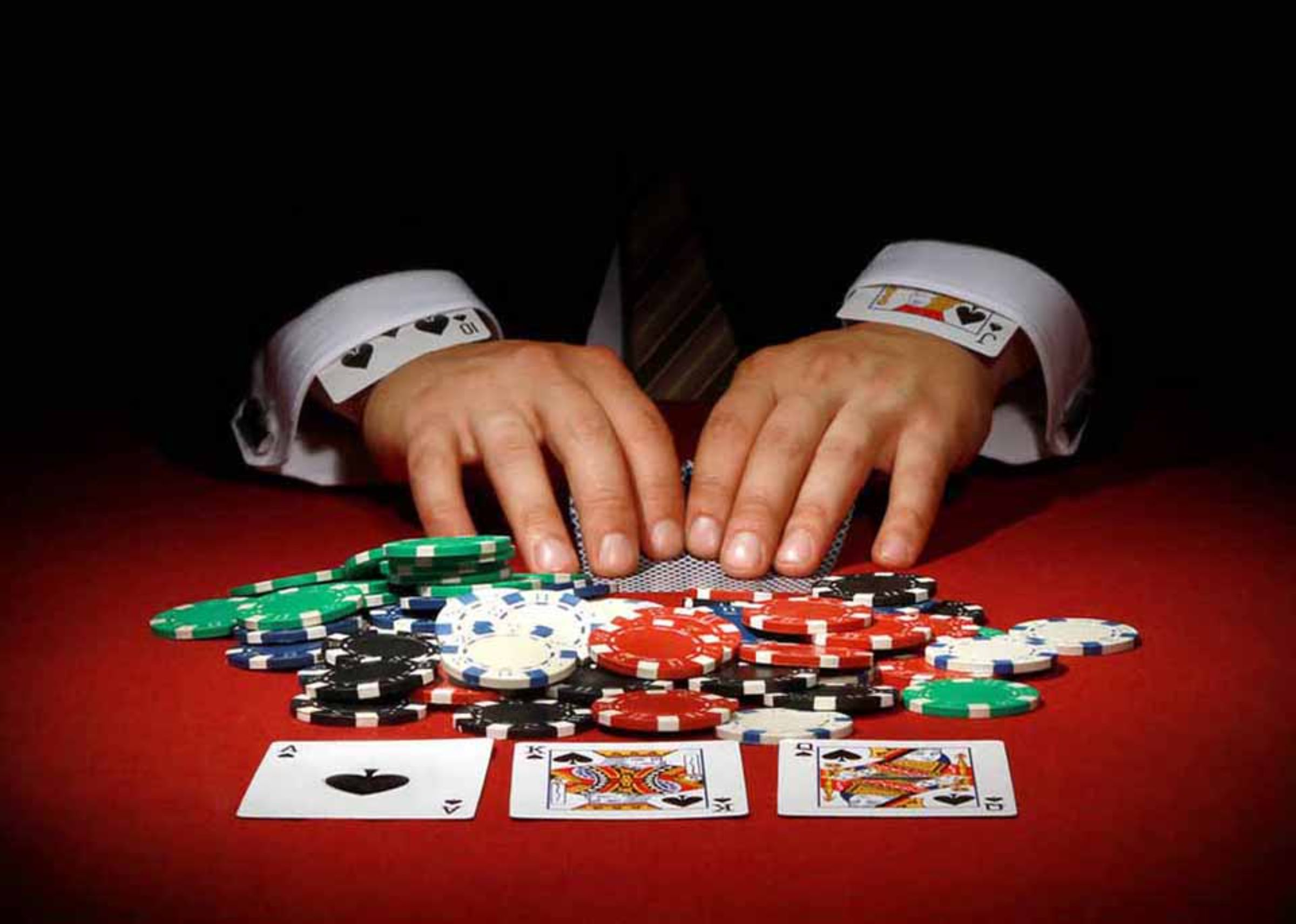
Understanding these cognitive biases is essential for both gamblers and industry professionals. Recognizing how these biases influence decision-making can lead to better strategies for responsible gambling practices. For example, casinos can implement initiatives aimed at promoting awareness of these biases while individuals can work to enhance their understanding of probability and risk, fostering healthier gambling habits and encouraging more rational decision-making when engaging in games of chance.
The Emotional Impact of Gambling: Addiction and Escapism
The emotional impact of gambling often extends beyond mere entertainment; for many, it serves as a form of escapism from the pressures of everyday life. Individuals may turn to casinos to seek a temporary reprieve from stress, anxiety, or personal issues, immersing themselves in the excitement of gambling. The unpredictable nature of games offers a thrilling distraction, allowing players to momentarily escape their realities and experience a different, albeit temporary, world.
However, this escapism can quickly escalate into addiction. The immersive casino environment, combined with the allure of potential rewards, can lead individuals down a path of unhealthy gambling habits. When gambling becomes a primary source of emotional relief, it can have detrimental effects on personal relationships, financial stability, and overall well-being. Gamblers may neglect essential responsibilities and connections, leading to isolation and worsening emotional challenges.
Addressing the emotional consequences associated with gambling addiction requires a comprehensive approach. Support systems, including counseling and peer support groups, can provide crucial assistance for individuals grappling with their gambling behaviors. Additionally, raising awareness about the psychological aspects of gambling can foster healthier attitudes and encourage open conversations around the topic, ultimately promoting recovery and well-being for those affected by gambling addiction.
Casino Marketing: Manipulating Psychology for Profit
The marketing strategies employed by casinos are intricately designed, often leveraging psychological principles to attract players. Techniques such as loyalty programs, enticing promotions, and free spins create an environment where players feel valued and appreciated, increasing their likelihood of returning. These marketing tactics exploit the psychological principle of reciprocity, making individuals feel compelled to give back when they receive something of value, leading to a cycle of dependency on rewards and gambling.

Furthermore, casinos frequently utilize social proof to draw in new customers. By showcasing testimonials from satisfied winners or highlighting high-stakes games in prominent areas, they create an impression that winning is a common occurrence. This strategy not only attracts potential players but also instills a sense of fear of missing out (FOMO), prompting individuals to join in and take their chances at winning. Such marketing techniques underscore the powerful interplay between consumer psychology and gambling, illustrating how casinos can effectively influence player behavior.
While these marketing efforts are designed to increase player engagement, they can also contribute to unhealthy gambling habits. By glamorizing the gambling experience, these strategies can obscure the inherent risks involved, making it essential for individuals to remain vigilant. Building awareness about these marketing tactics empowers players to make informed decisions, encouraging a responsible approach to gambling and promoting a healthier balance between entertainment and risk.
Understanding Casino Culture and Responsibility
Understanding the psychology behind casino gambling is vital for both players and industry stakeholders in creating a responsible gambling culture. Recognizing the emotional and cognitive factors at play can lead to more informed choices, enabling players to enjoy the thrill of gambling while minimizing adverse consequences. By promoting awareness of psychological biases and the potential for addiction, the industry can implement measures that encourage responsible gambling practices and provide support for those in need.
Moreover, fostering open dialogues about the culture surrounding gambling can help demystify its allure and potential pitfalls. Educational initiatives that address the psychological aspects of gambling can empower individuals to make better choices and understand the true nature of risk versus reward. By building a culture of responsibility, both players and casinos can contribute to a healthier gambling landscape that prioritizes enjoyment while minimizing negative impacts.
In conclusion, the complex interplay between psychology and gambling behavior demands attention and understanding. By recognizing the psychological underpinnings of gambling, players can better navigate their experiences and the industry can foster a more responsible approach to gaming. This collaborative effort can lead to a more sustainable gambling environment that values the well-being of all participants while still providing the excitement and enjoyment that casinos offer.